Given the numerous media reports in recent years on declining church attendance, it’s easy to feel discouraged about the future of the Church. But many of the adult volunteers in the inVocation Fellows & Congregations Program have a more optimistic perspective.
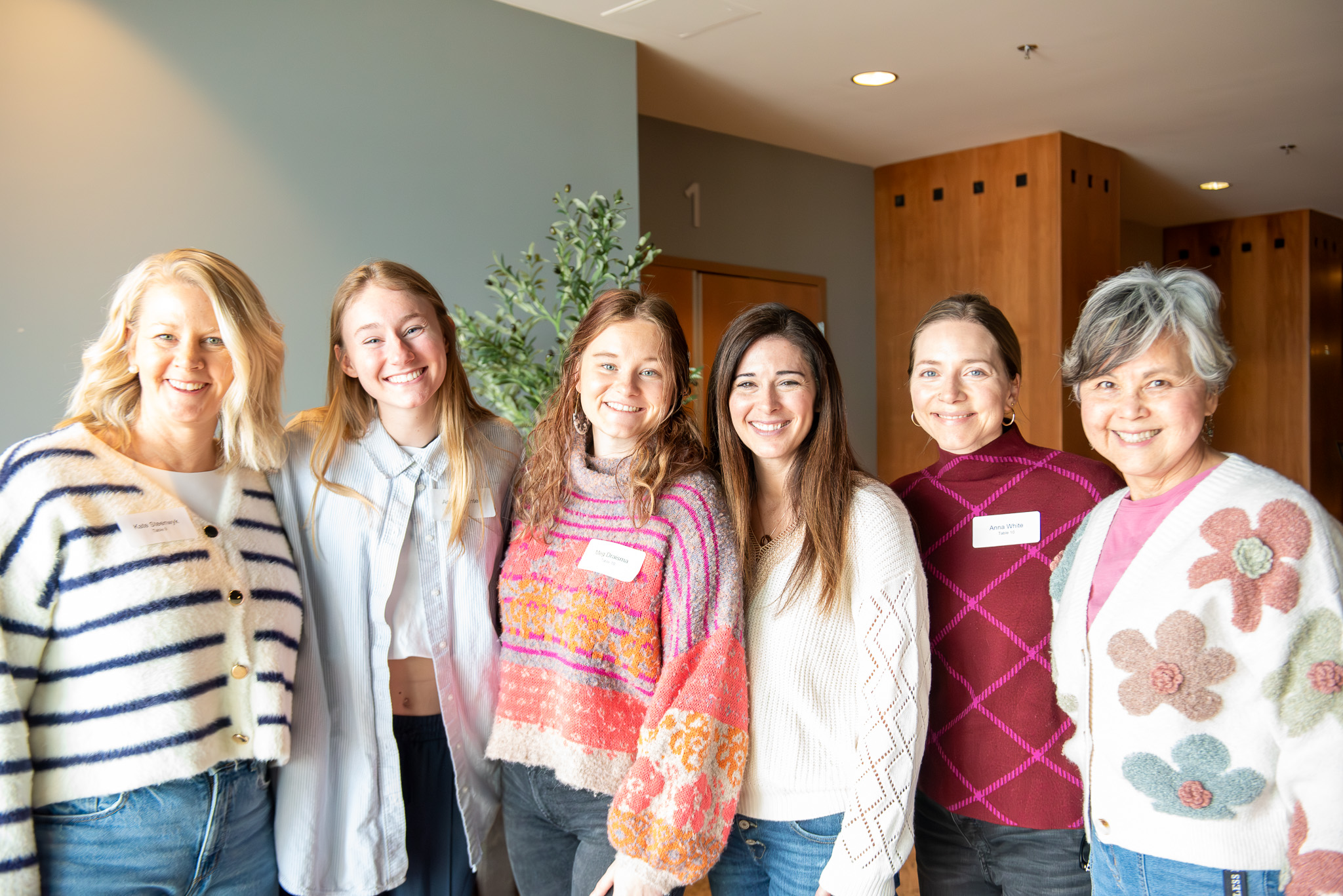
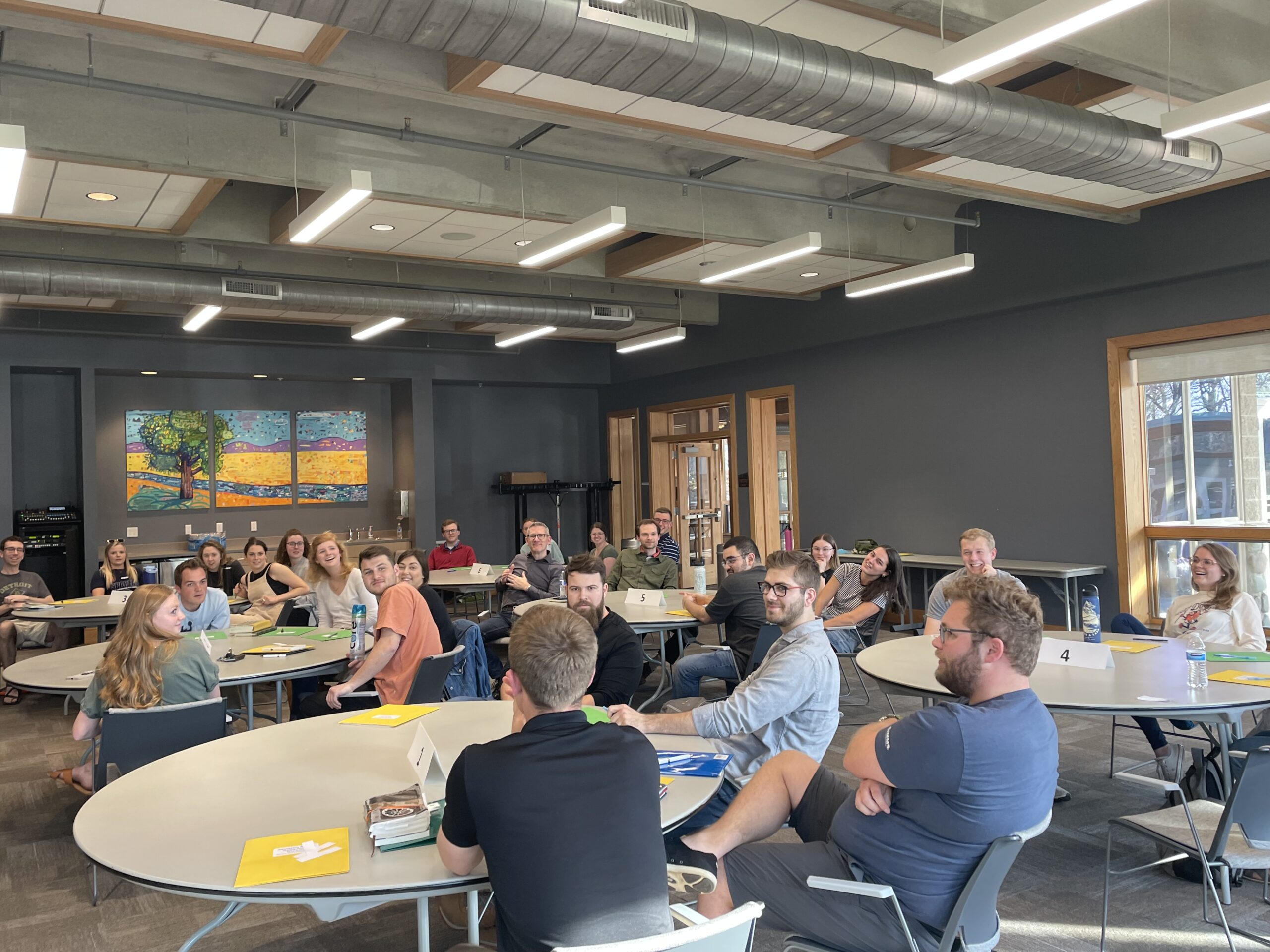
“I feel that the Church is in good hands,” mentor Maddie Stadt enthuses. One of the highlights of her involvement in the program came in October, when volunteers from all the different churches came together for a special Fellows gathering. “I was so inspired by hearing all the Fellows [from The Local church] talk,” she says. “I thought, these guys are really looking to make change. They’re really motivated. They’re super determined. These young adults want to see change and they’re willing to do things to make it happen. They’re invested.”
The program intentionally aims at forming future leaders for the Church and society. A big part of how we do that is by inviting Fellows to discern and implement a project that builds on their own interests and skills while aligning with their congregation’s priorities and needs. Adult volunteers from each church come alongside the Fellows in an advise-and-support role.
Six members of this year’s Fellows cohort attend The Local. Initially they paired up around three different project ideas. But after completing several interviews with staff and lay leaders, the group realized that it would be better to work together on a single initiative, called “Local Refresh,” focused on nourishing lay leaders. It’s a brilliant strategy for fostering rest and resilience—qualities essential for ongoing church vitality. The idea, explains Fellow Eden Haywood, is to “offer a simple, welcoming space where ministry leaders don’t have to lead, perform, or be ‘on.’” Each gathering will include time to connect, engage in guided reflection or prayer, and participate in practical, interactive rhythms that support spiritual and personal well-being. “Our goal is for volunteers to leave feeling cared for, refreshed, and empowered,” Eden says, “so that what they receive naturally carries back into their teams and fosters a culture of healthy, sustainable discipleship.”
“I feel that the Church is in good hands,” says mentor Maddie Stadt. “These young adults want to see change and they’re willing to do things to make it happen. They’re invested.”
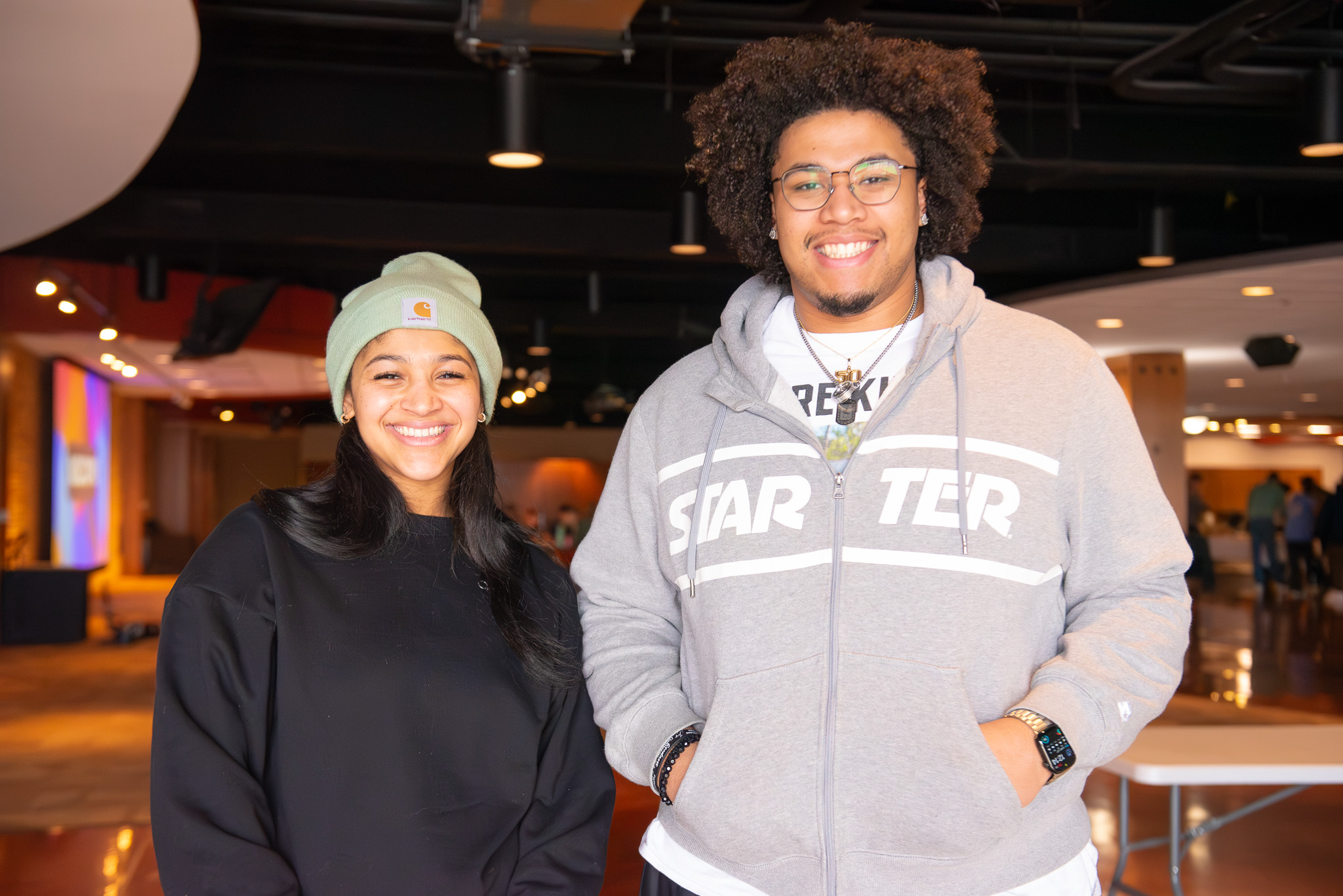
Carol Robinson is a lay leader at Tabernacle Community Church, focused on helping congregants to live missionally in their neighborhoods and spheres of interest. She says that her involvement in various local nonprofits and higher education institutions has exposed her to “a lot of depressing reports and statistics” about the decline of American religious life. The friendship she has developed with her mentee Amari Fuller has been refreshing. “I’m very hopeful about the Church,” Carol says. “To see [young adults] like Amari saying, ‘This is what I believe, and not only do I want to follow it, but I want to strengthen it in my church community,’ is very encouraging to me as an older adult.”
Fellows and their “Leadership Acceleration Teams” (older adults from their congregations) have designed ten new church-based projects as part of the Fellows program. Some aim at strengthening existing congregational ministries. Annika Kolean from Faith Reformed Zeeland, for example, will be assisting the church’s Children’s Ministry Director in crafting a new discipleship curriculum for elementary school students. “The current curriculum for the children’s worship program dates back to the 1980s,” Annika reports. “I talked with the Director, and she wants not only to update it for the current context, but to have a posture of invitation, to invite kids to ask questions. The curriculum is going to be called “Investigate”. She really wants to invite kids to see that the stories in Scripture happened in real time, real people, real places,” Annika says. “They were looking for another pair of eyes on [the draft curriculum] from a theological standpoint, and that is right up my wheelhouse.”
Fellows Grace & Jackson Schute will focus on facilitating greater involvement by Hope College students in the many opportunities available to them at Calvary on 8th, including organizing transportation. “Through our interviews it was amazing how often we heard about how Calvary has been a healing place for people,” Grace says. She and Jackson want more young adults to experience the hospitality and sense of belonging that Calvary offers.
“I’m very hopeful about the Church,” Carol Robinson from Tabernacle Community Church says. “To see [young adults] like Amari saying, ‘This is what I believe, and not only do I want to follow it, but I want to strengthen it in my church community,’ is very encouraging to me as an older adult.”
Other projects designed this year involve launching new ministries. Not surprisingly, given the Fellows program’s emphasis on community building, facilitating deeper connections among congregants is a common theme in several of the projects. At Fifth Reformed Church in Grand Rapids, for example, Fellow Thomas Woltjer has organized a series of board game nights for church members of all ages. At Third Reformed Church in Holland, Fellow Gabe Millen wants to start a new small group ministry gathering young adults. And at Faith Reformed Zeeland, Fellow Kent Colbrunn has organized a series of service projects with the dual aim of providing practical help to congregants and deepening relationships among men at the church. Kent’s mentor Chad Bartels says, “I’m excited to see Kent’s willingness, even at his age, to step up in leadership roles… I think the Church has a great future with more young people like Kent.”